The Sniff Test vs the Sticker: What Actually Earns a Place in Your Bin
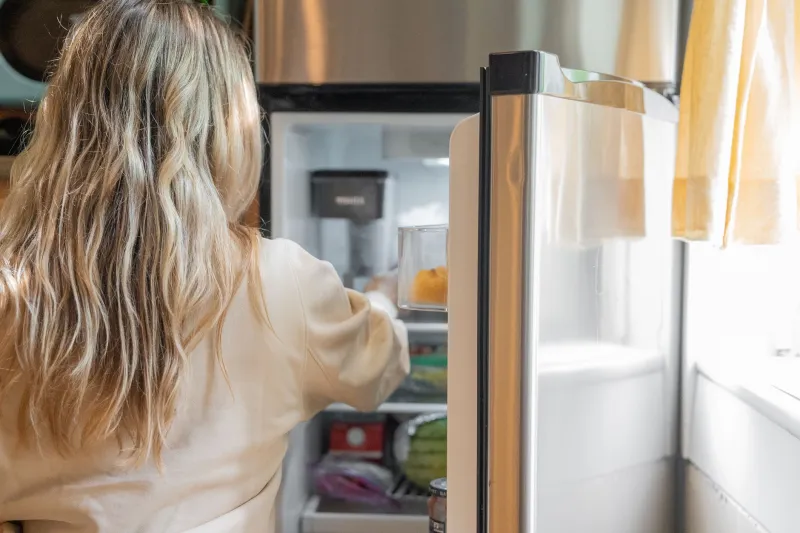
Stand in front of an open fridge at six on a Tuesday evening and you can see the whole problem on one shelf. A tub of yoghurt that passed its date on Sunday. A pack of mince with tomorrow's use-by. A jar of pesto that has been open for three weeks. Three labels, three meanings, and one very tired person trying to work out which of them is actually telling them something useful.
Most of us default to the sticker. It's printed, it looks official, and it saves the bother of deciding. But the dates on UK packaging aren't one system. They're three separate rules doing three separate jobs, and treating them as a single instruction is exactly how perfectly good food ends up in the caddy. WRAP reckons UK households bin somewhere around 4.5 million tonnes of edible food a year, and confusion over dates is one of the reasons people give for doing it.
So here's a working guide, aimed at the person holding the tub.
First, work out which date you're actually looking at
Use-by: the one line you don't argue with
A use-by date is a safety instruction. It appears on food that goes off quickly and supports bacterial growth — fresh meat and fish, cooked sliced meats, ready meals, soft cheese, pâté, pre-cut fruit, unpasteurised juices. After that date the manufacturer will no longer vouch for it, and "it looks fine" is not a defence. Listeria in particular doesn't announce itself with a smell.
What you can do is freeze it. If you're not going to eat something on or before its use-by, freeze it that day, defrost it fully in the fridge, and eat it within 24 hours of defrosting. That's a legitimate extension, not a loophole. What you can't do is leave it in the fridge for four extra days and then perform the sniff test.
Best before: a quality hint, written by a committee
Best before is about quality, not safety. It sits on dry pasta, rice, tins, biscuits, crisps, frozen veg, jam, honey, and eggs. Food past a best-before is usually perfectly edible, just a bit diminished: crisps go chewy, pasta goes brittle, tinned tomatoes lose a little brightness, a biscuit tastes of the cupboard rather than the biscuit.
Eggs deserve their own paragraph. UK eggs carry a best-before of 21 days from lay, and the Lion Code advice is that they can be eaten after that date provided they're cooked thoroughly — but not raw. If you're pregnant, elderly or immunocompromised, treat the printed date as the line and don't push it.
Display until and sell-by: the shop's business, not yours
These are stock-rotation prompts for staff. They're never a message to the shopper, and if you find both a 'display until' and a best-before on the same pack, the display date is the one to ignore entirely. It exists so someone with a clipboard knows when to pull stock from a shelf.
The clock isn't printed, it's stored
A date assumes the food has been kept properly since it left the factory, and that assumption is often wrong by the time it reaches your kitchen. Three variables matter more than the print.
Fridge temperature. Your fridge should sit at 5°C or below — aim for 4°C. A fridge running at 8°C can halve the useful life of a pint of milk. Check it with a cheap thermometer rather than the dial, and remember the door is the warmest spot in the box. Milk in the door is milk in the worst possible place.
Opened versus sealed. "Once opened, use within three days" isn't decorative. It overrides the best-before entirely, because oxygen and your own spoon have introduced things the manufacturer never accounted for. An unopened jar of pesto might be good for months; an opened one is on a three-day clock whether the label says so or not.
Where it lives. Bread goes stale faster in the fridge and mouldy faster in a warm kitchen — the freezer is the honest answer. Tomatoes, cucumbers, potatoes, onions and bananas all resent refrigeration. A bag of spinach left in a sealed plastic bag sweats and slimes; wrapped in a tea towel or a lidded box with a bit of paper, it lasts noticeably longer.
Four things in your kitchen, four different calls
- Unopened yoghurt, three days past its best-before. Eat it. Check for mould on the surface and a sour, fizzy smell once opened, and if neither is there, it's fine.
- Spinach with tomorrow's use-by. Wilting is not spoiling. Slimy, yellow, or smelling of pond water is. Cook the lot down tonight and freeze what you don't eat.
- Cooked rice from yesterday. Fridge, covered, no more than 24 hours, reheated once until piping hot. Older than that, it goes.
- Cheddar with a small blue patch. Cut at least 2.5cm around and below it, re-wrap the rest, keep going. The same mould on cream cheese, soft goat's cheese or a pot of yoghurt means the whole thing goes, because the roots run further than the visible fuzz.
Where the cautious approach genuinely earns its keep
Being relaxed about dates isn't the same as being relaxed about everything. Bin it, without agonising, if:
- anything is past a use-by date, full stop;
- soft cheese, pâté, deli meat or smoked salmon is past its date;
- cooked rice or pasta is more than a day old;
- mould has appeared on something soft, liquid or porous — bread, jam, yoghurt, fruit;
- a tin is bulging, leaking or badly dented around the seam;
- a potato has gone green (cutting round it isn't worth the solanine);
- the person eating it is pregnant, very young, elderly, or immunocompromised.
A five-step habit for the whole kitchen
- Identify the label. Is this a safety line or a quality hint? That single question resolves most of the confusion.
- Interrogate the storage. How long has it been open? Was it ever left on the counter overnight? Has the fridge been running warm?
- Use your senses properly. Look for slime, fizz, mould and colour change. Smell it after a stir, not straight from the surface. Touch it. Taste a small amount if steps one to three were clean.
- Decide by portion, not by principle. Cook it now, freeze it now, or plan it into tomorrow's tea. A decision deferred to Thursday is usually a decision to bin.
- Do a weekly sweep. One pass before the shop, back-of-fridge first, and the date conversation stops being a nightly argument.
The shopping side of the same problem
None of this works if the fridge arrives overstocked. Buy the smaller pack even when the larger one is cheaper per gram, because the cheap one you throw away is the expensive one. Yellow-sticker items with a use-by date are a good buy only if you're eating or freezing them that day. Reduced items with a best-before date are a straightforward win. And a rough meal plan for the week, however loose, does more for your bin than any label ever will.
The date on the pack is one input, not a verdict. Read it, weigh up how the food has actually been kept, then use the eyes and nose you were born with. The bin doesn't need a calendar.