Roll Call: Putting Recycled, Bamboo and Ordinary Loo Paper on the Same Scales
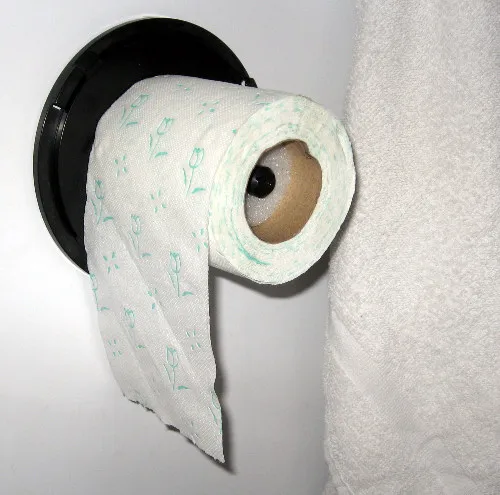
Photo: Mintz l, CC BY-SA 3.0, via Wikimedia Commons
Toilet paper is one of those purchases that feels too small to audit. You buy it, you stack it, you try not to think about it. But a household that gets through a roll every couple of days is making a fairly regular environmental choice — and the loo roll aisle is now full of claims about recycled pulp, bamboo, plastic-free wrapping and carbon neutrality. So is recycled toilet paper actually cheaper and greener than bamboo? In 2026, the honest answer is: sometimes, and not always in the ways the packaging suggests.
First, compare like with like
The only fair way to compare loo roll is cost per sheet, not cost per roll. Rolls vary wildly in sheet count, sheet size and ply. A cheap four-pack can look like a bargain until you realise each roll has fewer sheets than the posh subscription box in the cupboard. Check the pack for total sheets, then divide the price by that number. If you want to be really thorough, note the sheet dimensions too — a smaller sheet means you may use more of them.
This matters because bamboo toilet paper is often sold online in bulk, while recycled rolls are increasingly available in UK supermarkets. Conventional own-brand multi-packs still tend to win on the headline price. Recycled own-brand rolls usually sit a little above that, and bamboo usually sits above both. The gap narrows if you buy bamboo in a large box, but only if you have the storage and will actually use it before the spare room starts to look like a paper goods depot.
The money bit: what the shelf suggests
Across UK supermarkets and online brands, the pattern is fairly consistent. Standard virgin-pulp own-brand rolls are usually the cheapest per sheet. Recycled own-brand ranges are often a few pence more per 100 sheets. Bamboo rolls from specialist online brands can be significantly more per sheet, though bulk discounts and subscription offers change the maths.
That does not make bamboo a bad buy. It means you should know what you are paying for. If your main goal is to spend as little as possible, conventional loo roll will usually get you there. If your goal is to reduce virgin wood pulp and plastic packaging without a huge jump in cost, a supermarket recycled roll in paper wrapping is often the pragmatic middle. If you specifically want a tree-free fibre and plastic-free packaging, bamboo is the option — but price it per sheet before you commit to a year's supply.
What recycled actually means
Recycled toilet paper is typically made from recovered paper, which can include post-consumer waste such as office paper and magazines. It is not a magic product with zero impact: the paper still has to be collected, sorted, de-inked and processed, and that uses energy and water. But it keeps material in circulation and reduces demand for virgin pulp.
The label to look for is FSC Recycled, which verifies that the product is made from recycled content. You may also see the EU Ecolabel on some products; it is still found on goods sold in the UK, though it is not a UK-run scheme. Be wary of vague words like 'eco' or 'green' without a certification or a stated recycled percentage. Some recycled rolls are wrapped in plastic, so the product and the packaging are separate questions. A recycled roll in a plastic sleeve is still a recycled roll, but it is not a plastic-free purchase.
Bamboo: fast grass, long journey
Bamboo is a grass, not a tree, and it grows quickly. That is the basis of the tree-free claim, and it is a genuine advantage in land-use terms. Many bamboo toilet paper brands also use FSC certification and paper or cardboard packaging. Some use unbleached pulp, which avoids chlorine bleaching.
The catch is the supply chain. Much of the bamboo toilet paper sold in the UK is made in China, so it travels a long way before it reaches your bathroom. That does not automatically cancel out the benefits, but it is part of the picture. Bamboo rolls also vary in softness and strength; some are 3-ply and quite comfortable, others feel more utilitarian. If you are switching from a soft conventional brand, buy a small pack first rather than a 48-roll box.
Conventional rolls: the baseline
Standard toilet paper is usually made from virgin wood pulp, often certified as FSC Mix. That certification is not meaningless — it can include recycled fibre, controlled wood and virgin pulp — but it is not the same as FSC Recycled. Conventional rolls are often the softest and strongest per sheet, and they are usually the cheapest. The trade-off is that you are buying virgin fibre, and the packaging is more likely to include plastic film.
That does not make every conventional roll a villain. If budget is tight, it is better to buy what you can afford than to stretch to a premium eco brand and resent it. But if you are auditing your bathroom anyway, it is worth checking whether your usual brand has a recycled alternative at a similar price.
Packaging: the bit you actually bin
Loo roll packaging is where a lot of the green claims get fuzzy. A product can be 'plastic-free' in the sense that the roll itself contains no plastic, while the outer wrap is still plastic. Look for paper wrapping, cardboard boxes or paper bands. Supermarket recycled rolls are increasingly sold in paper, but not all of them. Online bamboo brands often use cardboard boxes and paper tape, though some still use plastic inner wrapping.
Bulk buying reduces packaging per roll, but only if it does not lead to waste. A 48-roll box that sits in a damp garage for a year is not a low-waste win. Buy what you can store properly.
Certification and claims to check
Ignore the front-of-pack poetry for a moment and look for specifics. FSC Recycled is a useful marker for recycled content. FSC Mix tells you less. A stated recycled percentage is better than a vague recycled logo. 'Plastic-free' should refer to the packaging, not just the paper. 'Biodegradable' is true of essentially all toilet paper — it is not a special eco claim, and it does not mean you should flush anything that is not loo roll. 'Carbon neutral' usually relies on offsets, so treat it as a bonus claim rather than a guarantee of low impact.
The practical verdict
For most UK households, the lowest-cost greener swap is a supermarket recycled roll in paper packaging. It is not exciting, but it keeps recovered paper in use, usually costs only a little more than conventional, and is easy to buy on a normal shop. Bamboo is the better choice if tree-free fibre and plastic-free packaging are your priorities, and if you are willing to pay more per sheet and buy in bulk. Conventional rolls remain the cheapest and often the softest, but they are the weakest choice on virgin fibre and packaging waste.
So no, recycled loo roll is not always cheaper than bamboo — it usually is — and it is not automatically greener in every single measure. But for a low-waste bathroom, it is often the most sensible place to start. Try one pack, check the sheet count, look at the wrapper, and let the cost per sheet decide the rest.