The Parcel That Comes Back: How to Break the Online Returns Loop Before It Starts
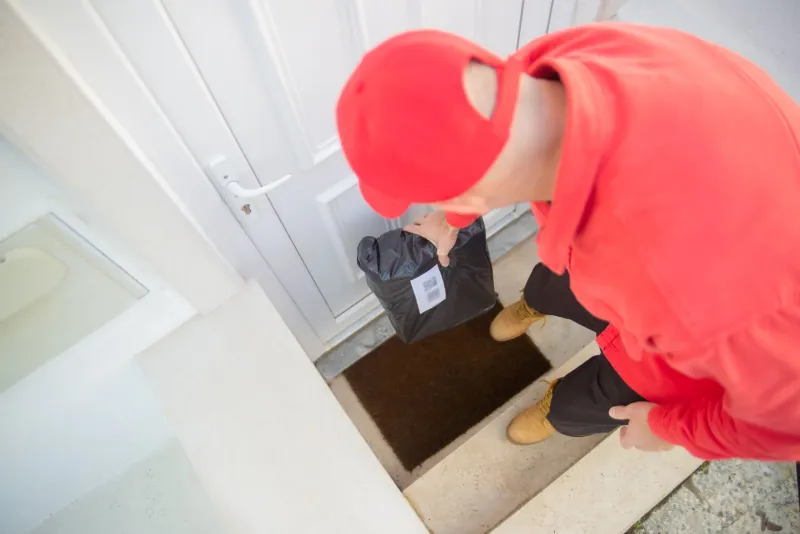
There’s a particular kind of optimism in ordering three sizes of the same jumper, telling yourself you’ll return two, and then letting the parcel sit by the door for a fortnight. The label is free, the courier comes to you, and the whole thing feels like a harmless bit of try-before-you-buy. But the boomerang parcel — the one that goes out, comes back, and sometimes goes out again — has a real journey behind it. And once you see the route, it gets harder to treat returns as a victimless convenience.
Why ‘free’ returns aren’t really free
A retailer offering free returns isn’t absorbing the cost out of kindness. It is pricing that possibility into the clothes you buy, the delivery threshold you chase, or the sheer volume of stock it expects to shift. In practice, free returns encourage a style of shopping often called ‘bracketing’: buying several sizes or colours knowing most will go back. It works for the shopper in the short term, but it creates a lot of extra movement — vans, sortation centres, plastic film, cardboard, and staff hours.
The environmental maths is messy. A returned item isn’t automatically waste, and buying online can sometimes beat driving to out-of-town shops. But a return that travels hundreds of miles, gets unpacked, checked, re-bagged and relisted is not a neutral event. The greenest parcel is usually the one that never needs to come back.
The boomerang route: what happens after the label
Hand your parcel to the courier or drop it in an InPost locker and it heads to a returns hub. From there, items are sorted by retailer, scanned, and often inspected in bulk. Some go straight back into saleable stock. Others need steaming, re-tagging, or repackaging. A fair chunk doesn’t make it back to the original shelf at all.
Depending on the retailer, returned fashion might be sent to an outlet, sold through a resale platform, passed to a clearance partner, donated, or sent for recycling. Some of it travels abroad. The least lucky items end up in energy-from-waste or landfill because they’re damaged, unsold, or simply not worth the handling cost. Exact figures vary by company, and many retailers are vague about the details — which is part of the problem.
What’s clear is that ‘returned’ does not mean ‘restocked’. A top that has been worn to a wedding, washed badly, or returned without tags may become someone else’s bargain, or nobody’s problem. The system is designed to keep stock moving, not to guarantee a second life.
The sizing trap — and how to shop around it
Most boomerang parcels start with a guess. UK sizing is inconsistent enough that a medium in one shop fits like a small in another, and product photos can hide a lot. Before you order, use the tape measure you already own and compare your measurements to the retailer’s size chart, not the label you usually buy. Check the returns window, too: a 14-day policy invites rushed decisions, while 28 or 30 days gives you room to try things properly at home.
Read the reviews that mention fit, especially from people with a similar height or build. Look for shops that offer detailed garment measurements, free exchanges rather than refunds, or virtual fitting tools that actually help. If you’re buying occasion wear you’ll wear once, consider renting instead of ordering three options. And if you’re tempted to bracket, ask yourself whether you’d still buy the item at full price if returns weren’t free. Sometimes the answer is no — and that’s useful information.
Spotting a retailer with a real second life
A credible returns route isn’t just a paragraph of green wording on a website. Look for specifics. Does the retailer publish where returns go? Does it have a resale section, a repaired rail, or a take-back scheme with clear terms? If it sells ‘pre-loved’ stock, can you tell whether that stock comes from returns, overproduction, or customer trade-ins?
Check whether the company offers repair or spare parts, and whether its returns policy encourages exchange over refund. Charity partnerships can be good, but they’re not a magic bin: charities need wearable, saleable clothes, not worn-out leggings. A retailer that sends unsellable returns to a textile recycler is doing something useful, but it isn’t the same as preventing the return in the first place.
A lighter basket, fewer boomerangs
You don’t need to swear off online shopping to send fewer parcels back. Start with one simple swap: buy less speculatively. Keep a note of your actual measurements, stick to shops with reliable sizing, and use click-and-collect if it saves a failed delivery. If something doesn’t fit, return it promptly rather than letting it clutter your hallway — and keep the packaging for your next return or a local reuse scheme.
For items that are past their best, use a repair café, a tailor, or a resale app before reaching for the returns label. And when you do return, choose the retailer with the clearest second-life route, not just the one with the friendliest ‘free returns’ badge. The boomerang parcel will keep flying either way. Our job is to make sure fewer of them take off in the first place.