The Doorstep Audit: Does a Glass Milk Round Earn Its Place in a Low-Waste Kitchen?
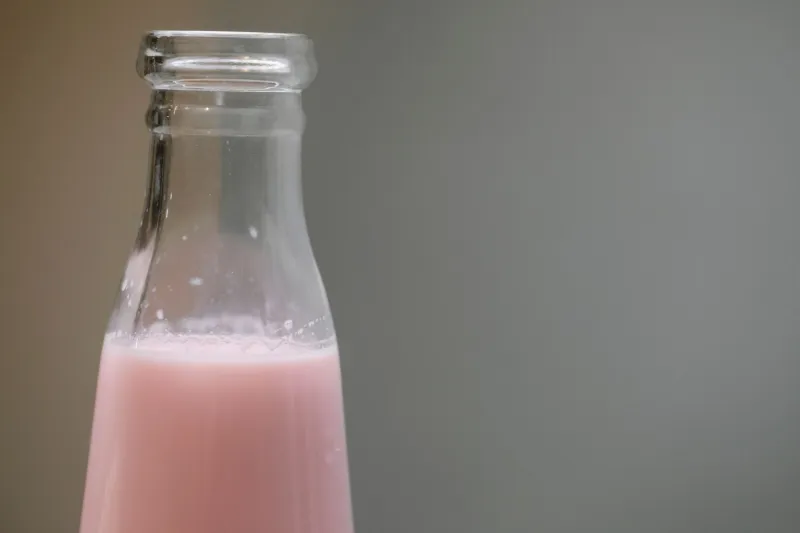
There is something deeply satisfying about opening the door at 6:40am and finding a glass bottle of milk sitting there like a small, cold trophy. It feels simpler than the supermarket: no plastic, no till, no queue behind someone arguing about meal deals. But nostalgia is not a sustainability strategy. A doorstep milk round is a logistics system, and like any logistics system it can be brilliant or a bit rubbish depending on how it is run.
So let us do the unromantic thing and audit the milk float properly. What does a glass-bottle delivery actually cost, what does it save, and when is it just an expensive way to feel virtuous?
What actually lands on the step
Most UK doorstep dairies work on a similar model. You sign up online or by phone, choose a delivery frequency, and leave out your empty bottles for collection. The milk arrives in returnable glass, usually pint or litre bottles, and you pay a deposit per bottle or a one-off bottle charge. Some dairies run their own rounds with electric floats; others are franchised, subcontracted or use vans. That detail matters more than the picture on the website.
Expect to pay somewhere around £1.20 to £1.60 per pint for ordinary milk in 2026, depending on where you live and whether you are buying organic. That is roughly £2.10 to £2.80 per litre. Supermarket own-brand milk is usually cheaper per litre, though the gap narrows if you are comparing organic or premium milk. A pint is about 568ml, which is why the doorstep price can look reasonable per bottle and slightly alarming per litre.
Then there is the deposit. It might be 20p, 50p or a flat bottle charge. You get it back when bottles return, but only if they return. A forgotten crate in the shed is not a deposit scheme; it is a small interest-free loan to the dairy.
The per-litre maths, without the rose tint
A doorstep round is not automatically cheaper or greener than a supermarket. It depends on what you are replacing. If your alternative is a special trip in a petrol car to buy one bottle of milk, the float almost certainly wins. If your alternative is a weekly supermarket delivery that was coming anyway, the calculation changes. Route density is the whole ball game: one electric float serving forty houses on one street is efficient; a diesel van driving ten miles to deliver two bottles is not.
The same logic applies to bottle washing. Reusable glass is only good if it comes back and gets reused many times. Dairies wash bottles in commercial washers using hot water and cleaning agents, which takes energy and water. Glass is also heavier than plastic, so transporting it costs more. The environmental case rests on high return rates, short transport distances and a well-filled route. Ask a dairy how many times their bottles typically circulate. If they look baffled, that is information too.
Plastic milk bottles are not the villain of every comparison. UK HDPE milk bottles are widely collected and recycled, though recycling is still downcycling and depends on councils actually sending them to a reprocessor. Glass that is reused twenty times is usually a strong option; glass that is used once and smashed is not. The point is not to worship one material. It is to keep the bottle in circulation.
The bottle etiquette nobody explains
Most dairies assume you know the drill, then quietly judge you when you do not. The basics: rinse bottles, do not leave food residue in them, and put them out the night before collection in the crate or carrier provided. Do not put out broken glass. Do not use the bottle as a doorstop for six months and then act surprised when the deposit is not refunded. If you are pausing deliveries, tell the dairy before you go on holiday, or you will come home to a small glass skyline on the step.
Some rounds collect bottles separately from delivering milk; others expect you to leave empties out on the same visit. Follow the dairy's instructions rather than inventing your own system. If a bottle goes missing, report it. If you have extra bottles from a neighbour, ask before adding them to your crate. Deposit schemes are small-scale and human, which is charming until someone starts treating the float as a communal glass bank.
Oat milk in glass: worth it?
Plant milk in returnable glass is a nice idea with a mixed maths. Oat milk is often more expensive per litre than dairy milk, and the glass bottle adds weight and cost. If your local dairy delivers oat milk in glass and you return the bottles reliably, it can be a good low-waste swap, especially if you were buying cartons that are not widely recycled at kerbside. But check the source and the price. Some dairies simply resell branded oat milk in glass; others make their own. A litre of oat milk in glass can easily cost £3.50 or more, so it is not a budget swap. It is a convenience-and-waste swap.
If you drink a lot of oat milk, the bigger win might be a refill scheme or making your own, but that is a different article. For most households, the sensible move is to use the milk round for the milk you actually drink and not turn it into a boutique delivery service for every liquid in the fridge.
How to vet a local dairy
Start with the postcode checker on the dairy's website, then ring them. Ask where the milk comes from, whether the float is electric, how often bottles are reused, what the deposit is, and what happens if you miss a collection. Check the Food Hygiene Rating Agency score for the dairy. Look at recent reviews, but ignore the ones complaining that the milk froze in December; that is weather, not customer service.
Ask about minimum spend and delivery days. A round that only covers your street on Tuesdays is fine if you can plan around it. A round that promises daily delivery but uses a diesel van from three counties away is less fine. If you live in a flat, ask whether they will deliver to the door or leave a crate downstairs; not every dairy is set up for buzzer access.
The verdict
A glass milk round is not a moral upgrade you can buy. It is a reusable packaging system, and it only works when the bottles come back, the route is dense and the dairy is honest about its logistics. For plenty of UK households, especially those on a well-used local round, it is a genuinely useful part of a low-waste routine. For others, it is a nostalgic subscription that costs more per litre and leaves a crate of bottles by the bins.
Try it for a month. Keep the receipts. Count the bottles you return. Then decide whether the clink on the step is worth it, because the planet is not impressed by nostalgia alone.