What Actually Happens Inside a Council Reuse Shop (And How to Shop One Well)
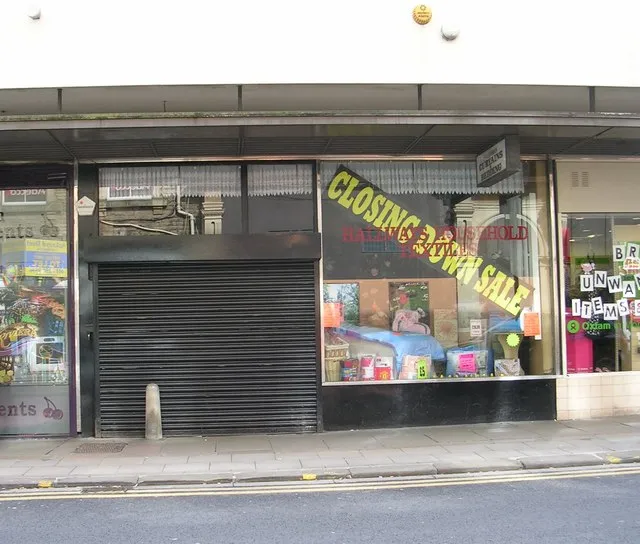
Photo: Betty Longbottom, CC BY-SA 2.0, via Wikimedia Commons
Tip shops are having a moment. Almost every week another council announces that the reuse shop at its household waste recycling centre has diverted another umpteen tonnes from the skip. The idea is simple: instead of chucking a perfectly good coffee table into the compactor, staff put it on a shelf with a price tag. You buy it, the council avoids disposal costs, and everyone feels a bit better about Saturday morning. But what is it actually like inside one of these places in 2026? And how much of the 'reuse revolution' is real?
What you'll actually find on the shelves
Stock is dictated by what people throw away, so it is gloriously random. Expect furniture with a bit of character, bikes, tools, garden pots, kitchenware, books, DVDs, picture frames, lamps, building odds and ends and the occasional unidentifiable brass object. Some sites are run by the council; others are contracted to charities or social enterprises. That affects everything from opening hours to whether they can take card payments. It also affects what they will accept: one shop will happily take a sofa; another will not touch upholstered furniture because of fire regulations.
Why prices vary so wildly
Cross a council boundary and the same pine bookcase can be £8 or £45. Some shops price to sell quickly; others benchmark against Facebook Marketplace. Some have flat-rate shelves; others let staff use judgement. There is no national rulebook. A few sites have volunteer-run pricing that errs on the side of 'make it go away'; others have a manager who knows what an Ercol chair is worth. Ask if prices are fixed. Haggling is usually pointless and occasionally rude. If you see something you love at a fair price, buy it then. Tip shops do not do holds.
The best days to visit (and the ones to skip)
Midweek mornings are generally calmer and better stocked. Tuesday to Thursday, after a busy weekend of donations, is often the sweet spot. Saturday is busiest, and Sunday afternoon can be picked over. January is good for gym equipment and storage boxes; spring for garden stuff; the weeks before Christmas for toys and books. In 2026, many shops post restocks on social media, so follow your local site if you want a heads-up. Ring ahead if you are making a special trip. Opening hours can be odd, and some close in bad weather.
What happens to the stuff nobody buys
Not everything is saved. Unsold stock may go to landfill, scrap metal, textile recycling, auction or another charity. Ask staff. A good shop has a plan; a bad one is a staging post for the skip. The genuine test is tonnage reused, not how nice the Instagram display looks. Councils publish waste data, but reuse figures are patchier. If a shop cannot tell you roughly what happens to unsold items, treat the green claims with a pinch of salt.
The greenwash check
Reuse shops do divert waste. But they are not a licence to buy more. The greenest purchase is still the one you do not make. If you are buying a £4 lamp you do not need, you have not saved the planet; you have just bought a lamp. Also, do not drive 40 minutes to a tip shop 'for the environment'. Combine it with another errand, or go by bike if you can. The best reuse is local, boring and repeated.
Donating without being that person
Call ahead. Clean items. Complete sets. No broken glass, no recalled cots, no mouldy sofas. Do not leave stuff outside the gate: that is fly-tipping with extra steps. If your item needs a repair you will not do, say so. Staff are not a free removal service, and the shop is not a free-for-all. It is a shop with a skip next door.
How to buy well
Check joints, zips, seals and whether electricals have been tested. Ask about returns. Many reuse shops sell as seen, so no refunds. Bring measurements and a tape. Take a bag. Pay by card if you can. And if you are buying furniture, measure your door before you fall in love with a wardrobe.
The bottom line
A council reuse shop can be a genuinely good place to find useful things and keep them out of the ground. It can also be a slightly sad shed full of broken MDF. The difference is usually staff, pricing and a clear policy on what happens next. Go with an open mind, a tape measure and no expectation of a freebie, and you will do better than most.