Fourteen Eco Swaps for Renters Who Aren't Allowed to Drill Anything
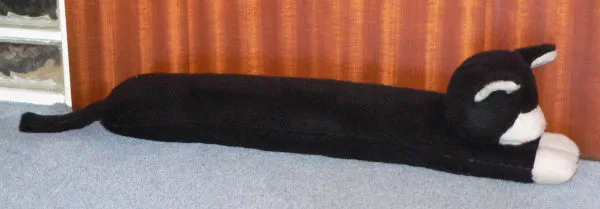
Photo: EvaK, CC BY-SA 2.5, via Wikimedia Commons
Renting puts a hard ceiling on the eco lifestyle content you see online. No solar panels, no heat pump, no ripping out the avocado bathroom suite from 1987. What you do have is a deposit you'd like returned, a landlord who reads every clause, and roughly the same desire as everyone else to stop binning so much stuff.
Everything below is either free, cheap or paid for once and taken with you when you leave. Nothing needs a drill, a screwdriver or a conversation with the letting agent — though I've included a script for the ones that come close.
The ground rules
First, know the difference between damage and fair wear and tear. Fair wear and tear is the natural deterioration of a property through normal living; damage is something you did. A draught strip that peels off cleanly is neither. A draught strip that takes the paint with it is arguably damage, so test on a hidden surface first.
Second, photograph everything before you start. The inside of a cupboard door, the window frame, the wall behind the radiator. Keep those photos in a folder with any emails.
Third, put requests in writing and keep them bland. "Can I do X, it's removable and I'll restore everything when I leave" beats "I'm going to insulate the windows."
Kitchen
1. A refill-shop starter kit. Three or four bottles, refilled at a local zero-waste shop or a supermarket dispenser for washing-up liquid, laundry detergent and surface cleaner. No installation, no permission, and you stop buying a new plastic bottle every fortnight. Expect £10–£15 to fill up initially, then less each time.
2. Cloths instead of kitchen roll. A pack of washable cloths plus a couple of hanging cloths will do the job of a hundred sheets of paper towel. Try a coir scrubber and a bar of solid dish soap while you're at it — solid soap lasts for months and ships in cardboard.
3. A tension rod under the sink. About £6, no drilling, and suddenly your damp dishcloths aren't breeding bacteria in a heap. Take it down and it fits your next flat's cupboard too.
4. A bokashi bin or a freezer caddy. If your council collects food waste, small caddy plus liners-free approach is the easy win. If it doesn't, a bokashi bin (£25–£40) ferments scraps on the worktop without the smell of a traditional bin. Check your tenancy for anything about outdoor containers if you're thinking about a balcony setup.
Bathroom
5. A tap aerator or low-flow shower head. Both simply screw onto the existing fitting and both cut hot water use noticeably. Keep the original aerator or head in a labelled bag in a drawer and swap it back before your checkout inspection. Zero permission needed, and the saving lands on your water bill if you're metered.
6. A cistern displacement bag. A couple of pounds, plonks into the cistern, saves a litre or so per flush. Don't use a brick — it crumbles and jams the works. Check afterwards that one flush still clears everything, and take it out if it doesn't.
7. Switch the toiletry shelf over. Shampoo and conditioner bars, a refillable deodorant case, a safety razor if you're comfortable with one, bamboo or recycled-plastic toothbrushes. This is the swap with the biggest packaging reduction for the smallest effort, and it survives moving house beautifully.
8. Paper-wrapped recycled loo roll. A subscription or a supermarket box, wrapped in paper instead of filmed in plastic. It sounds trivial until you count how much film leaves a household in a year.
Living room
9. Shrink-fit secondary glazing film. About £8–£15 per window, applied with double-sided tape and tightened with a hairdryer. It peels off in spring and makes a genuine difference to how draughty single-glazed sash windows feel. Test the tape on a corner first, and don't apply it to modern sealed double glazing without checking with the landlord — some films can stress the glass unit.
10. Fabric draught excluders. A door sausage for the front door and the living room door, stuffed with old tights and rice, or bought for a tenner. Skip anything that screws a brush strip into a wooden floor.
11. Thermal curtains on a tension rod. A proper curtain pole needs drilling. A tension rod across a recess doesn't. Heavy curtains pulled at dusk keep a lot of heat where you want it, and they move with you.
Bedroom
12. LED bulbs, with the originals kept. Swap the worst offenders — the hallway, the bathroom, the reading lamp — and put the old bulbs in a shoebox labelled 'refit before moving out'. Some tenancy agreements require you to hand the property back with the same fittings; a shoebox solves that in ten minutes.
13. A heated airer and a dehumidifier instead of the tumble dryer. If a dryer came with the flat, you're not obliged to feed it. A heated airer (£40–£60) plus a borrowed dehumidifier dries a full load overnight in a flat with no garden. Borrow the dehumidifier first — see below — before you commit to buying one.
Hallway and everywhere else
14. Join a Library of Things. For a few pounds you can borrow a carpet cleaner, a steam mop, a pressure washer or a decent vacuum for a weekend instead of buying one and storing it in a hallway for nine years. It's the single most renter-friendly eco move there is: no ownership, no storage, no waste, and it works in a flat with no shed.
The landlord script
For anything borderline — window film, a water butt, a shelf-free curtain fix — send something like this:
Hi [name], hope you're well. I'm trying to keep the flat warmer and cheaper to run over winter. I'd like to fit removable draught-proofing tape around the living room window — it peels off without leaving residue, and I'll put everything back as it was when the tenancy ends. Happy to send a link to the exact product first. Is that alright with you?
Short, specific, reversible, and it puts the answer in writing. Nine times out of ten you'll get a yes, because it makes the property more lettable next time.
What to skip
Don't bother with sealant-based 'quick fixes' around baths and tiles — they're the classic deposit-eater. Avoid adhesive hooks on painted or wallpapered walls. Leave chimney balloons alone unless there's an open fireplace and you've had it confirmed in writing. And if a swap only works by permanently changing the fabric of the building, it isn't a renter's swap — it's a landlord's job, and you can ask for it politely.
Renting doesn't make you a passenger in your own home. It just means every change you make needs to be one you can undo on a Sunday afternoon with a hairdryer and a bit of patience.